


How does crystal lighting enhance the overall atmosphere through refraction and reflection to improve the sense of depth and layering in a space?
Release Time : 2026-04-20
In interior design, lighting not only provides basic illumination but also plays a crucial role in creating atmosphere and depth. Crystal lighting, with its unique material properties, can create rich variations in light and shadow through refraction and reflection, making the overall environment more three-dimensional and artistically expressive.
1. Multi-faceted Cut Structure Enhances Light Refraction
Crystal is typically cut using a fine multi-faceted process, with each facet acting as a tiny optical interface. When light enters the crystal, it refracts and disperses at different angles, forming multi-directional beams. This dispersed light overlaps in the space, enriching the otherwise simple lighting and enhancing the sense of depth and flow.
2. High Transparency Improves Light Transmission and Diffusion
High-quality crystal has high light transmittance, allowing light to propagate smoothly within without significant absorption. During this process, the light undergoes multiple refractions before being released, creating a soft and uniform lighting effect. Compared to ordinary materials, this "transparent yet not diffused, bright yet not glaring" characteristic allows the space to maintain brightness while presenting a more delicate transition of light and shadow.
3. Multi-angle reflection creates a three-dimensional light and shadow effect
Besides refraction, the crystal surface also reflects light. When multiple crystal units are combined, reflections at different angles create interwoven layers of light and shadow in the space. These reflected light points can create a shimmering effect on walls, ceilings, or furniture surfaces, making the space more dynamic and breaking the flatness of a single light source.
4. Optimized structural layout enhances the overall atmosphere
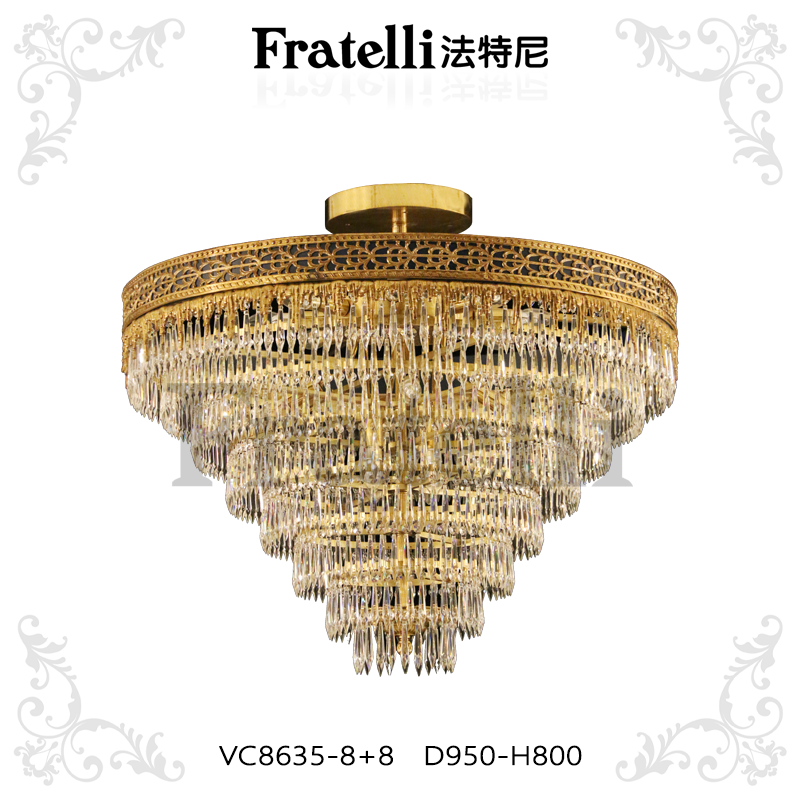
The arrangement of crystal lighting also affects the lighting effect. By rationally designing the layers and distribution of crystals, such as using multi-layered suspension or gradient arrangements, light can be refracted and reflected multiple times at different heights and angles. This structural optimization creates variations in light intensity and dispersion throughout the space, enhancing the overall sense of layering in the atmosphere.
5. Light source coordination enhances refraction and reflection
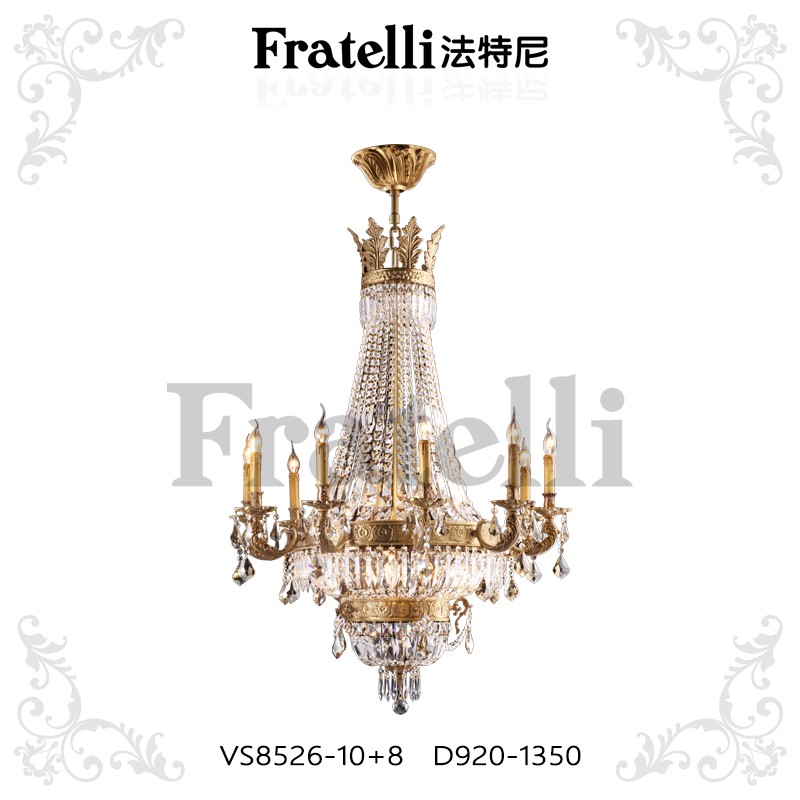
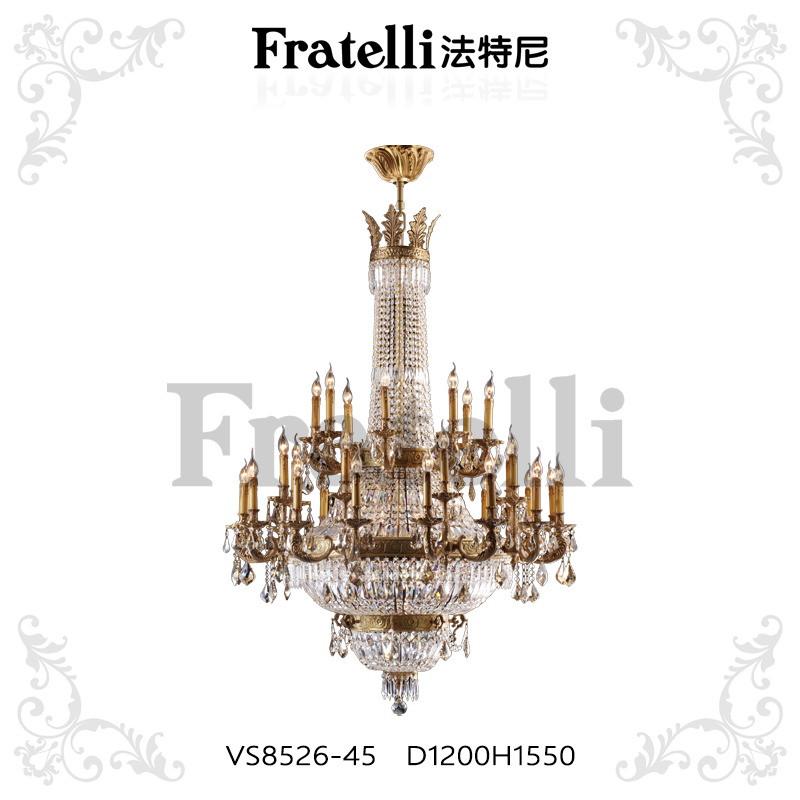
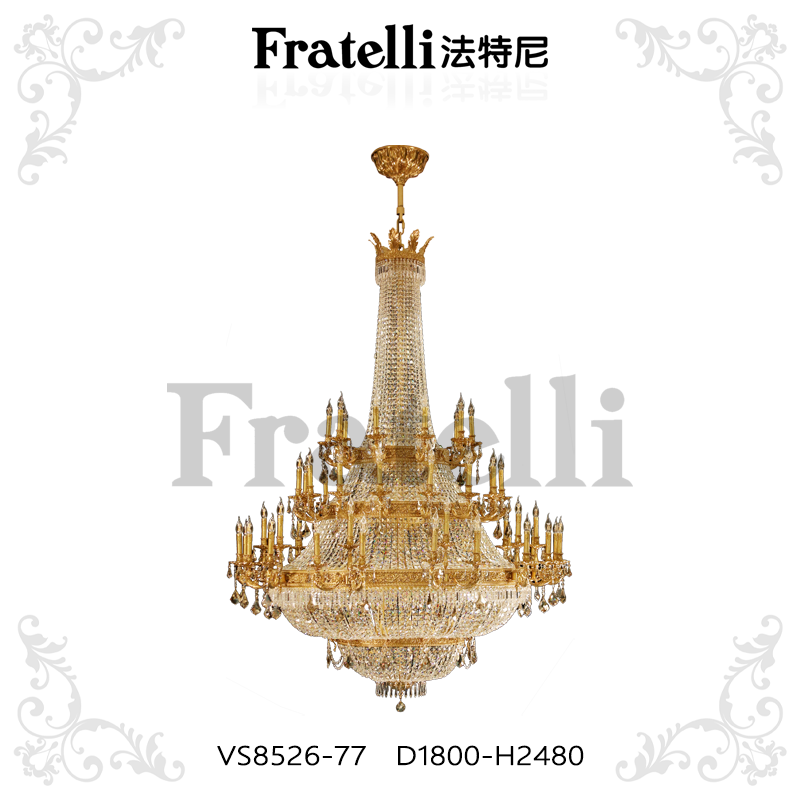
The effect of crystal lighting is inseparable from the coordination of light sources. Choosing appropriate light color and brightness can further amplify the optical properties of the crystal. For example, warm light creates a soft and inviting atmosphere, while cool light highlights the clarity and brilliance of crystal. Through the coordinated design of the light source and the crystal structure, richer and more varied visual effects can be achieved.
In summary, crystal lighting effectively enhances the sense of depth and layering of light in a space through the refraction and light and shadow variations created by multi-faceted cutting and multi-angle reflection. Combined with a well-planned structural layout and light source selection, it not only enhances visual appeal but also creates a more vivid, three-dimensional, and artistic overall atmosphere for the space.
1. Multi-faceted Cut Structure Enhances Light Refraction
Crystal is typically cut using a fine multi-faceted process, with each facet acting as a tiny optical interface. When light enters the crystal, it refracts and disperses at different angles, forming multi-directional beams. This dispersed light overlaps in the space, enriching the otherwise simple lighting and enhancing the sense of depth and flow.
2. High Transparency Improves Light Transmission and Diffusion
High-quality crystal has high light transmittance, allowing light to propagate smoothly within without significant absorption. During this process, the light undergoes multiple refractions before being released, creating a soft and uniform lighting effect. Compared to ordinary materials, this "transparent yet not diffused, bright yet not glaring" characteristic allows the space to maintain brightness while presenting a more delicate transition of light and shadow.
3. Multi-angle reflection creates a three-dimensional light and shadow effect
Besides refraction, the crystal surface also reflects light. When multiple crystal units are combined, reflections at different angles create interwoven layers of light and shadow in the space. These reflected light points can create a shimmering effect on walls, ceilings, or furniture surfaces, making the space more dynamic and breaking the flatness of a single light source.
4. Optimized structural layout enhances the overall atmosphere
The arrangement of crystal lighting also affects the lighting effect. By rationally designing the layers and distribution of crystals, such as using multi-layered suspension or gradient arrangements, light can be refracted and reflected multiple times at different heights and angles. This structural optimization creates variations in light intensity and dispersion throughout the space, enhancing the overall sense of layering in the atmosphere.
5. Light source coordination enhances refraction and reflection
The effect of crystal lighting is inseparable from the coordination of light sources. Choosing appropriate light color and brightness can further amplify the optical properties of the crystal. For example, warm light creates a soft and inviting atmosphere, while cool light highlights the clarity and brilliance of crystal. Through the coordinated design of the light source and the crystal structure, richer and more varied visual effects can be achieved.
In summary, crystal lighting effectively enhances the sense of depth and layering of light in a space through the refraction and light and shadow variations created by multi-faceted cutting and multi-angle reflection. Combined with a well-planned structural layout and light source selection, it not only enhances visual appeal but also creates a more vivid, three-dimensional, and artistic overall atmosphere for the space.