


How does French Chandelier enhance overall safety and tactile experience through hand-polishing and rounded edge design?
Release Time : 2026-02-18
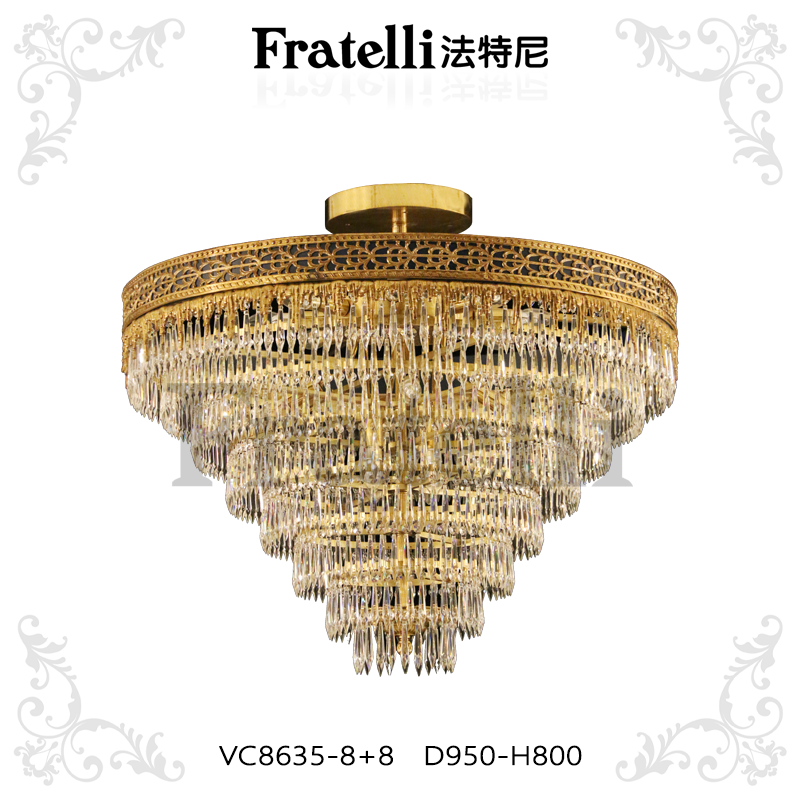
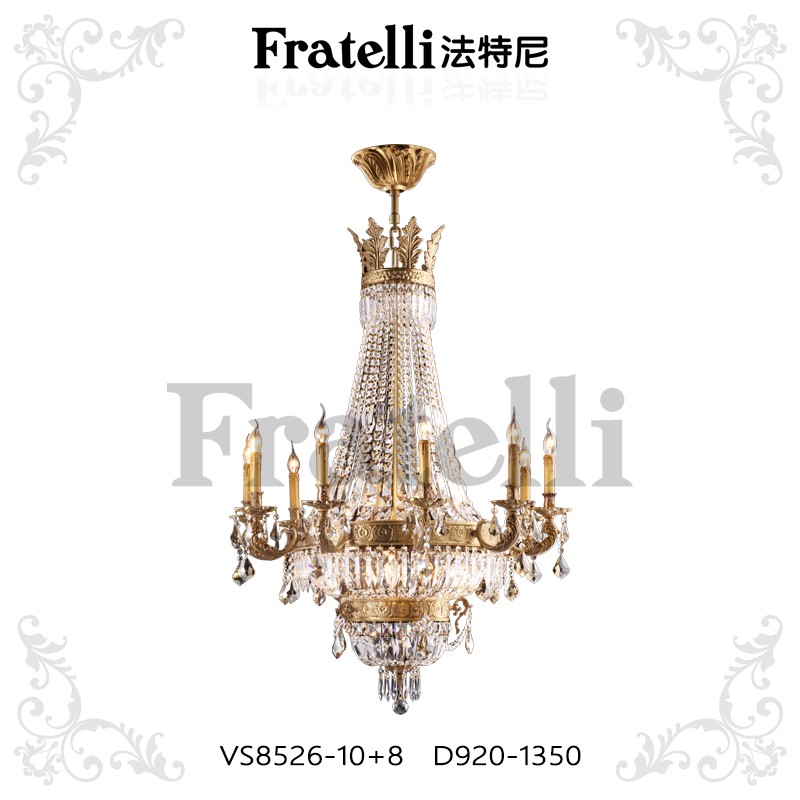
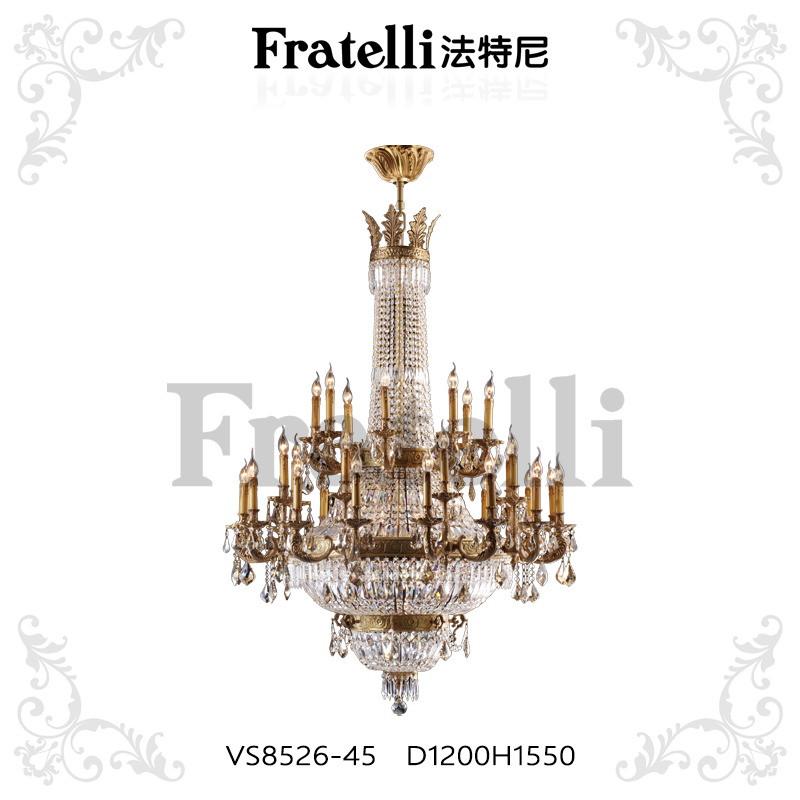
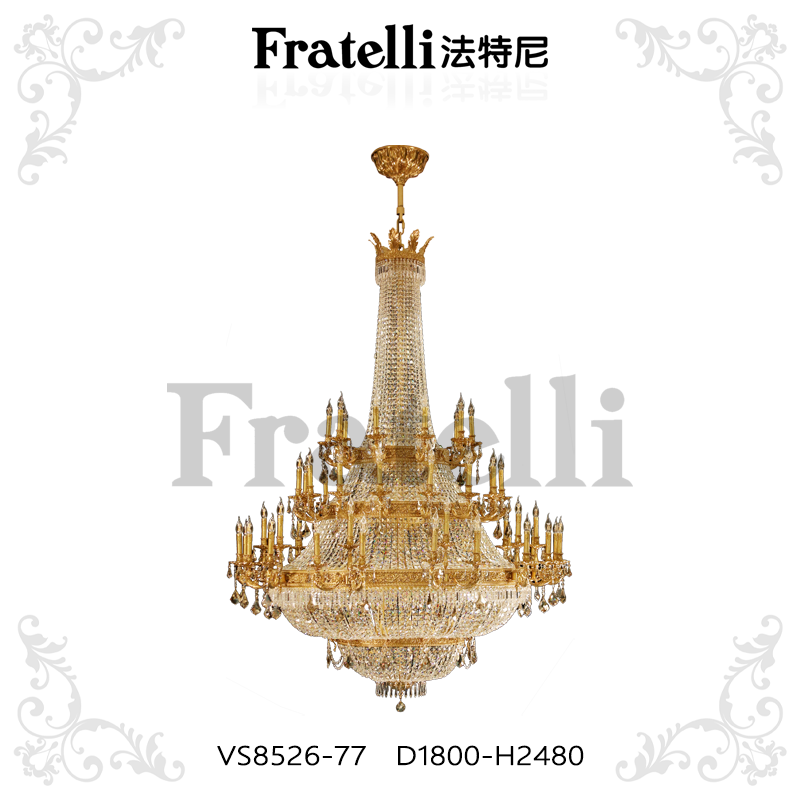
French Chandelier, with its romantic, elegant, and exquisite craftsmanship, has become an indispensable art lighting fixture in high-end home spaces. However, its charm lies not only in its visually dazzling brilliance but also in its meticulous pursuit of a human-centered experience in the details. The hand-polishing process and rounded edge design of the lamp arms and other metal components are key to French Chandelier's superior safety and tactile experience compared to ordinary lamps. This seemingly minor craftsmanship actually integrates traditional craftsmanship, ergonomics, and modern safety concepts, bringing users a safe and enjoyable experience.
1. Hand-polishing: From rough to warm texture
French Chandelier lamp arms are typically cast from metals such as brass, iron, or zinc alloy. The initial surface often has casting marks, tiny pores, or processing burrs. Without careful processing, these not only affect the aesthetics but may also scratch the skin during installation, cleaning, or accidental contact. To this end, top-tier French Chandelier insists on a hand-polishing process—experienced craftsmen use multi-grade sandpaper, cloth wheels, and polishing paste to repeatedly polish each piece until the metal surface achieves a silky, smooth sheen. This process not only removes all sharp edges and imperfections but also gives the metal a warm, jade-like feel. When users admire or adjust the chandelier up close, the surface feels smooth and soft to the touch, without any cold or harsh sensation, greatly enhancing the affinity between people and the lighting fixture.
2. Rounded Edge Design: Invisible Protection Eliminating Safety Hazards
In its structural design, French Chandelier pays special attention to the "de-sharpening" of edges. Whether it's the end of the lamp arm, the curved decorative elements, or the hooks connecting the crystal pendants, all use rounded corners instead of right angles or sharp corners. This rounded edge design is not just for aesthetic reasons—it effectively avoids the risk of scratches caused by collisions or wiping during daily use, which is especially crucial for families with children or the elderly. During installation or bulb replacement, maintenance personnel also don't need to worry about being cut by sharp edges. This "invisible safety detail" is a key differentiator between high-end French Chandelier lamps and inexpensive imitations.
3. A Dual Unity of Safety and Aesthetics
It's worth noting that hand-polishing and rounded edges don't sacrifice design. On the contrary, they reinforce the core spirit of French style—elegant yet understated, refined yet restrained. The flowing curves and soft sheen create rich layers of light and shadow under different angles of light, allowing the inherent texture of the metal to shine through naturally, rather than being obscured by a rough surface. Simultaneously, the smooth surface is easier to clean and maintain, preventing dust and fingerprints from adhering, keeping the lamp looking new for longer, further extending its lifespan and aesthetic appeal.
4. Humanistic Care Behind the Craftsmanship
While hand-polishing and rounded edges increase manufacturing costs and time, they reflect the brand's respect for user safety and experience. Every French Chandelier lamp undergoes rigorous quality control before leaving the factory, ensuring no burrs, flash, or untreated welds. This dedication to detail is not only a continuation of traditional French craftsmanship but also a manifestation of the modern home's "people-oriented" philosophy. In today's pursuit of intelligence and minimalism, the French Chandelier, with its warm touch and reassuring details, reminds us that true luxury lies in the meticulous care evident in every touch and sight.
In summary, through hand-polishing and rounded edge design, the French Chandelier creates an invisible safety barrier beyond visual aesthetics, providing users with a delicate, comfortable, and reassuring tactile experience. These details may not be noticeable from a distance, but they subtly convey quality and warmth with every approach, touch, or use. Therefore, the French Chandelier is not merely a lighting tool, but a piece of art that blends art, craftsmanship, and humanistic care into a living space.
1. Hand-polishing: From rough to warm texture
French Chandelier lamp arms are typically cast from metals such as brass, iron, or zinc alloy. The initial surface often has casting marks, tiny pores, or processing burrs. Without careful processing, these not only affect the aesthetics but may also scratch the skin during installation, cleaning, or accidental contact. To this end, top-tier French Chandelier insists on a hand-polishing process—experienced craftsmen use multi-grade sandpaper, cloth wheels, and polishing paste to repeatedly polish each piece until the metal surface achieves a silky, smooth sheen. This process not only removes all sharp edges and imperfections but also gives the metal a warm, jade-like feel. When users admire or adjust the chandelier up close, the surface feels smooth and soft to the touch, without any cold or harsh sensation, greatly enhancing the affinity between people and the lighting fixture.
2. Rounded Edge Design: Invisible Protection Eliminating Safety Hazards
In its structural design, French Chandelier pays special attention to the "de-sharpening" of edges. Whether it's the end of the lamp arm, the curved decorative elements, or the hooks connecting the crystal pendants, all use rounded corners instead of right angles or sharp corners. This rounded edge design is not just for aesthetic reasons—it effectively avoids the risk of scratches caused by collisions or wiping during daily use, which is especially crucial for families with children or the elderly. During installation or bulb replacement, maintenance personnel also don't need to worry about being cut by sharp edges. This "invisible safety detail" is a key differentiator between high-end French Chandelier lamps and inexpensive imitations.
3. A Dual Unity of Safety and Aesthetics
It's worth noting that hand-polishing and rounded edges don't sacrifice design. On the contrary, they reinforce the core spirit of French style—elegant yet understated, refined yet restrained. The flowing curves and soft sheen create rich layers of light and shadow under different angles of light, allowing the inherent texture of the metal to shine through naturally, rather than being obscured by a rough surface. Simultaneously, the smooth surface is easier to clean and maintain, preventing dust and fingerprints from adhering, keeping the lamp looking new for longer, further extending its lifespan and aesthetic appeal.
4. Humanistic Care Behind the Craftsmanship
While hand-polishing and rounded edges increase manufacturing costs and time, they reflect the brand's respect for user safety and experience. Every French Chandelier lamp undergoes rigorous quality control before leaving the factory, ensuring no burrs, flash, or untreated welds. This dedication to detail is not only a continuation of traditional French craftsmanship but also a manifestation of the modern home's "people-oriented" philosophy. In today's pursuit of intelligence and minimalism, the French Chandelier, with its warm touch and reassuring details, reminds us that true luxury lies in the meticulous care evident in every touch and sight.
In summary, through hand-polishing and rounded edge design, the French Chandelier creates an invisible safety barrier beyond visual aesthetics, providing users with a delicate, comfortable, and reassuring tactile experience. These details may not be noticeable from a distance, but they subtly convey quality and warmth with every approach, touch, or use. Therefore, the French Chandelier is not merely a lighting tool, but a piece of art that blends art, craftsmanship, and humanistic care into a living space.